




















Kidung Rare Angon: A Shepherd Child’s Song with Great Meaning for Life
Kidung Rare Angon is a traditional Balinese song that may sound simple, yet carries profound meaning. Often sung during prayers, its verses hold heartfelt wishes for the safety and harmony of the world. Passed down from generation to generation, this song reminds us that from simplicity can blossom great wisdom for life.

Kidung Rare Angon is one of Bali’s traditional songs that may appear simple at first glance, yet it holds a depth of meaning capable of touching anyone who listens to it. This song is often chanted during prayers and religious ceremonies, flowing softly like a whispered supplication. Its gentle melody creates an atmosphere of calm and reflection, allowing listeners to reconnect with their inner stillness. Although the lyrics are brief, Kidung Rare Angon carries moral and spiritual messages that extend far beyond its simplicity, reminding us that profound wisdom often emerges from modest expressions.
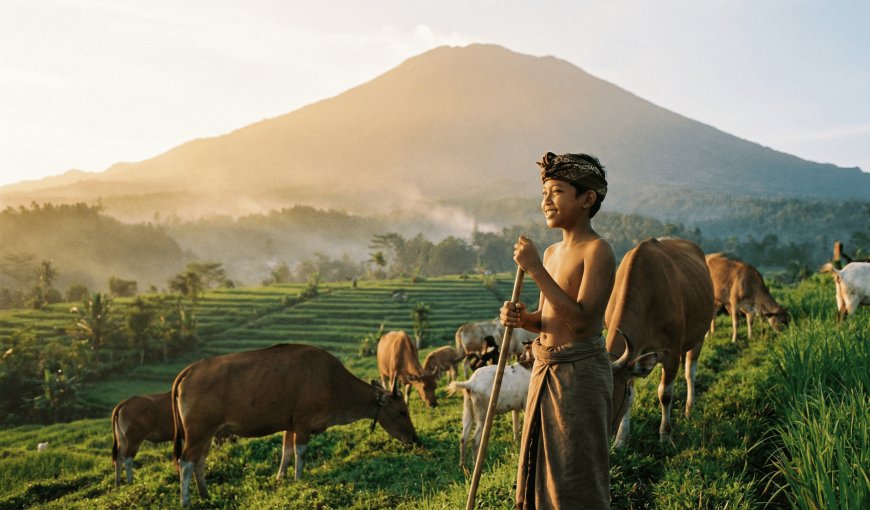
Within the rich and layered cultural landscape of Bali, Kidung Rare Angon occupies a distinctive place. The term Rare Angon literally means a young shepherd, a humble figure who lives close to nature and embodies sincerity and purity of heart. While it is frequently perceived as a children’s song, Kidung Rare Angon contains spiritual teachings that resonate with people of all ages. Beneath its soft melody lies an invitation to maintain inner clarity, to practice gratitude, and to cultivate harmonious relationships with God, fellow human beings, and the natural world.
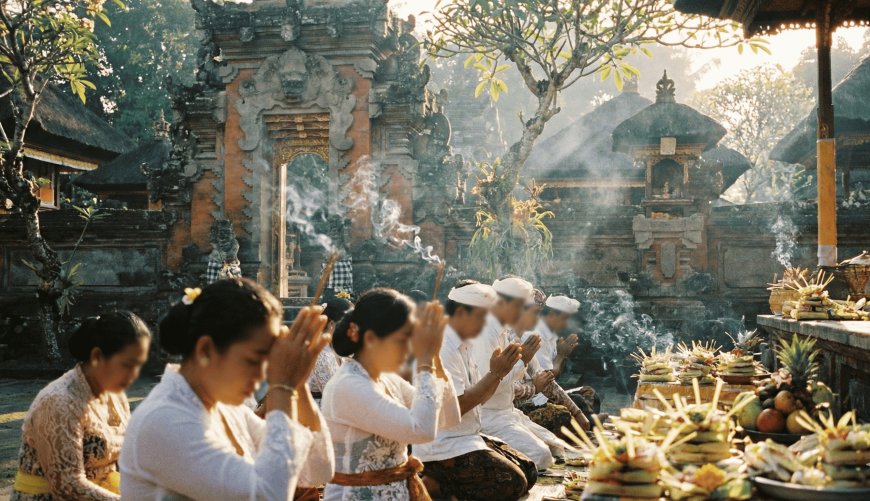
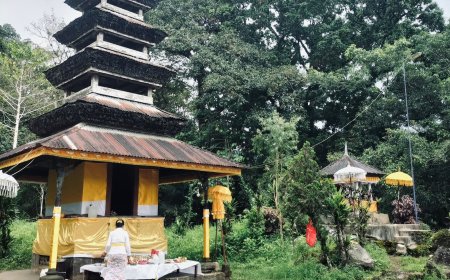
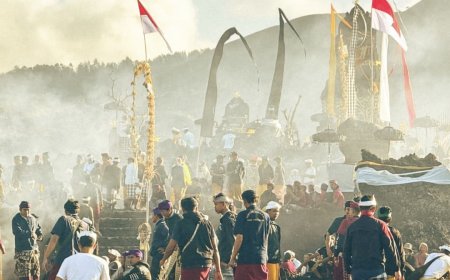
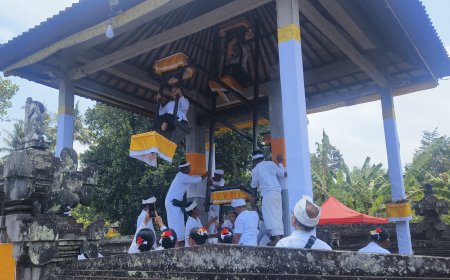
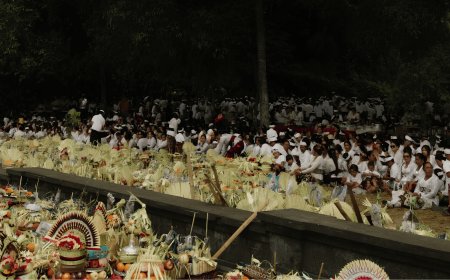
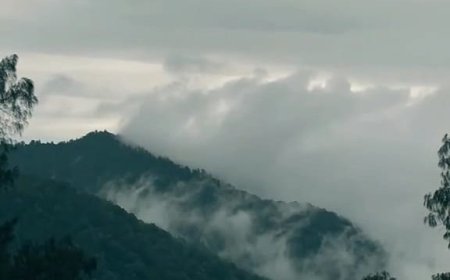
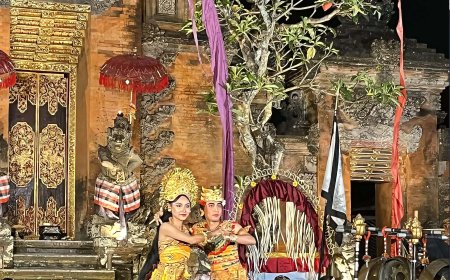
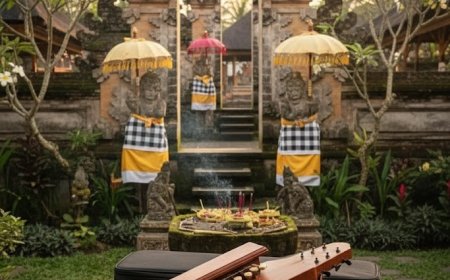
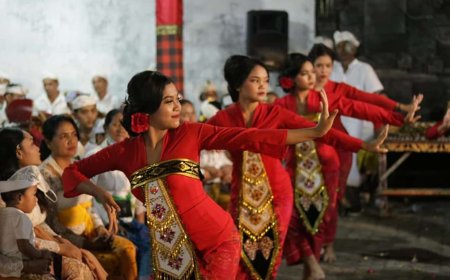
The atmosphere of an odalan ceremony at a Balinese temple, marked by prayers and quiet devotion (Source: Personal Collection)
The presence of Kidung Rare Angon in Balinese life extends well beyond major ceremonial events. It is commonly heard during ngayah, the voluntary service performed by community members at temples, as well as during preparations for rituals and cultural activities. In many cases, children are encouraged to sing the song together as part of their learning process. Through this gentle practice, moral values are passed down naturally, without coercion or formality. The song becomes a subtle yet effective medium for character education, allowing values to be absorbed through repetition and shared experience.
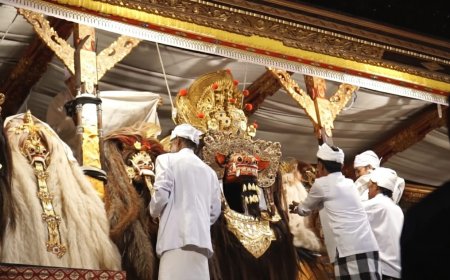
One of the moments when Kidung Rare Angon is most deeply felt is during odalan, the temple anniversary ceremony. During this occasion, the temple space is filled with the fragrance of incense, the rhythmic sound of bells, and the quiet focus of worshippers engaged in prayer. In the midst of this sacred atmosphere, the song often emerges as a collective chant, uniting voices in a single expression of devotion. Sometimes it is sung without any musical accompaniment, relying solely on the harmony of human voices. This simplicity enhances its emotional power, creating a sense of warmth and spiritual intimacy that is difficult to replicate with instruments alone.
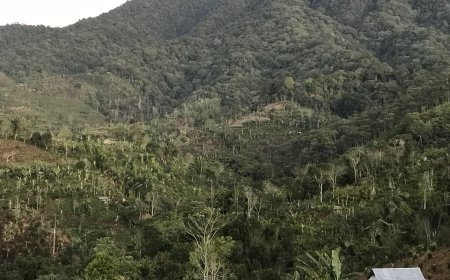
The lyrics of Kidung Rare Angon depict a young shepherd tending to animals in the mountains while remaining mindful of the divine. The phrase Ngastawa Hyang Widhi refers to praising and honoring Hyang Widhi Wasa, the Supreme God in Balinese Hindu belief. Meanwhile, the line Mogi rahayu jagat kabeh expresses a sincere prayer for peace and well being for the entire world. These lines reflect a form of devotion that is humble and universal, illustrating that spiritual awareness can flourish even in the simplest daily activities.
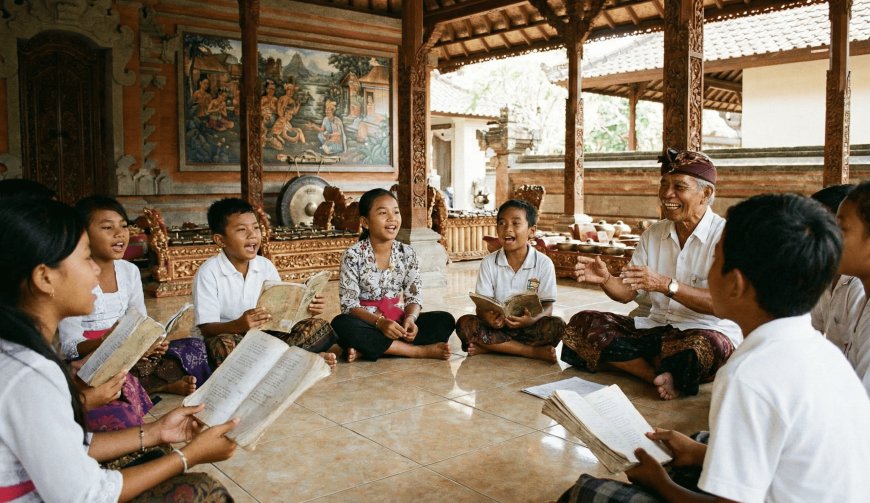
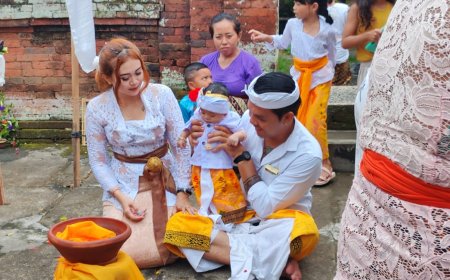
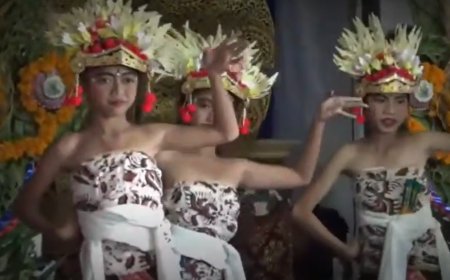
Balinese children singing together in a warm environment of cultural learning. (Source: Personal Collection)
It is this depth of meaning that allows Kidung Rare Angon to endure across generations. The song teaches values such as sincerity, gratitude, humility, and compassion, all of which remain relevant regardless of time or social change. For the Balinese community, preserving this song is not merely about safeguarding a cultural artifact, but about nurturing a shared spiritual identity. As a result, Kidung Rare Angon continues to be taught in homes, community halls, schools, and art studios, ensuring that younger generations remain connected to their cultural roots.
In recent years, Kidung Rare Angon has also found a place within modern educational and cultural spaces. Teachers and artists often introduce the song alongside discussions of its philosophical meaning, helping students understand that traditional arts are not simply forms of entertainment. They serve as vessels of wisdom that shape character and encourage reflection. Through this approach, the song bridges the past and the present, maintaining its relevance without losing its authenticity.
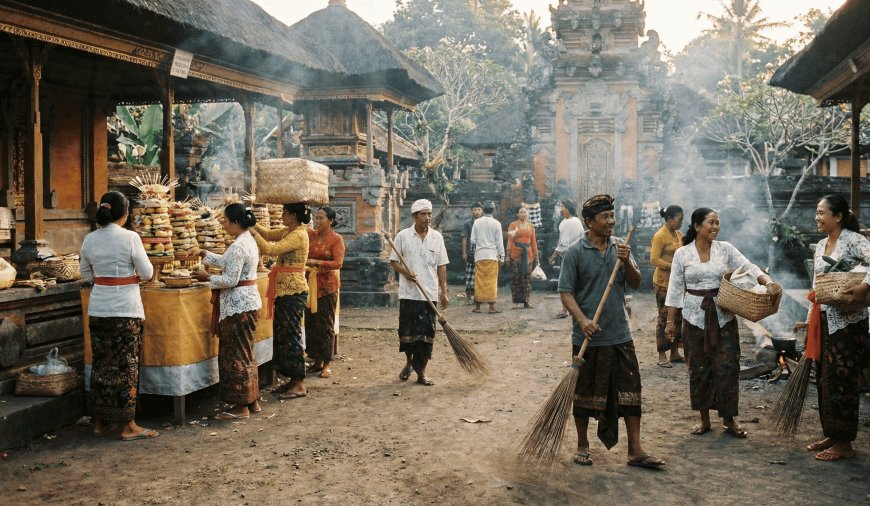
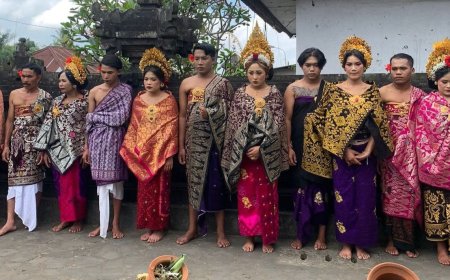
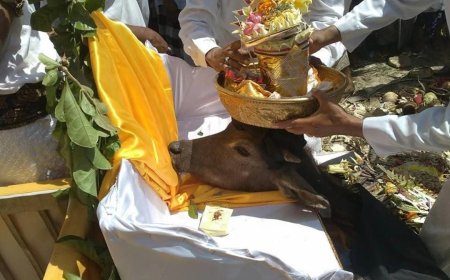
The practice of ngayah as a communal act of devotion during temple preparations. (Source: Personal Collection)
Ultimately, Kidung Rare Angon stands as a reminder that a simple song can carry profound lessons about life. It is more than a traditional chant performed during ceremonies. It is a reflection of values that guide individuals toward sincerity, simplicity, and compassion. Amid the fast paced rhythm of modern life, Kidung Rare Angon gently invites us to pause, to listen, and to reflect. It asks a quiet yet powerful question. Have we lived our lives with the same purity of heart as a young shepherd who offers sincere prayers for the world?