





Revealing one's birth based on Pratiti Samutpada
Pratiti Samutpada, the law of cause and effect of dependent birth. Understanding the three phases of life: past, present, and future, which form the wheel of life. Explaining the role of kamma as the determinant of destiny, not just fate. Learning how to break the chain of rebirth by ending ignorance and craving.

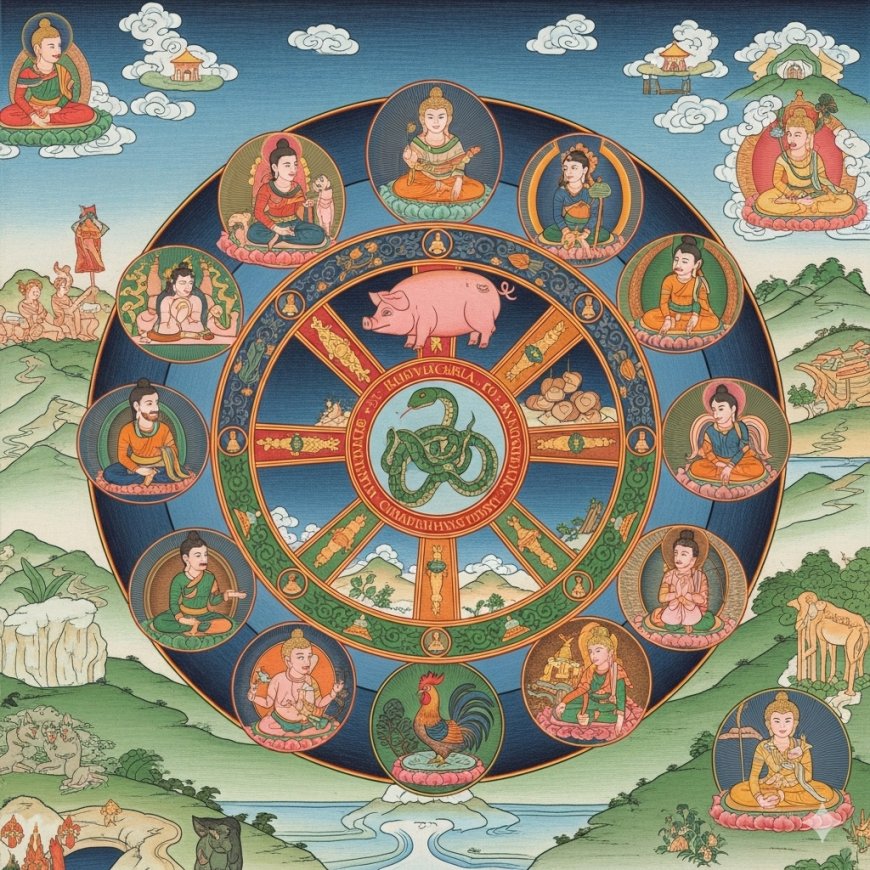
Have you ever wondered, where do we come from? Why are we born in this condition? Not by chance, nor by rigid fate. In an ancient teaching, there is a deep understanding, a roadmap that explains why we exist. The map is called Pratiti Samutpada, the Law of Dependent Birth. This is not just a theory, but a flowing narrative, revealing how each step in life is the result of the previous step, and how each of our choices writes the next chapter of our story.
Pratiti Samutpada consists of twelve interconnected links. Each of these chains describes the process of cause and effect that keeps repeating itself in the life cycle. Here is the full list:
1. Avijjā (Ignorance/Inner Darkness)
2. Saṅkhārā (Formation of Will/Karma)
3. Viññāṇa (Consciousness)
4. Nāmarūpa (Mind and Body)
5. Saḷāyatana (The Six Foundations of the Senses)
6. Phassa (Contact/Touch of the Senses)
7. Vedanā (Feelings)
8. Taṇhā (Lust/Lust)
9. Upādāna (Kemelekatan)
10.Bhava (The Process of Becoming/Existence)
11.Jāti (Birth)
12.Jarāmaraṇa (Old Age and Death)
Think of your life as a continuous novel, stretching across three chapters: past, present, and future. The story begins with an invisible seed.
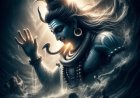
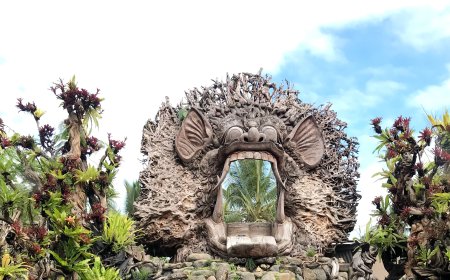
Ignorance (Avijjā). It is the inner darkness that makes us fail to see the true reality, that all things are impermanent, have no core of the self, and are full of turmoil. As a result of this darkness, we are constantly creating, the Formation of the Will (Saṅkhāra), which is a deliberate action, speech, and thought. These two things, Avijjā and Saṅkhāra, are the first act, the chapter of our life that has passed. They are the heritage we carry.
Then, the second half appeared, the one we are currently experiencing. That inheritance takes the form of Consciousness (Viññāṇa), which appears right when we are first formed. It is this awareness that carries the potential of our actions in the past, determining where and how we will be born. Along with consciousness, the Mind-and-Body (Nāma-Rūpa) is formed, followed by the six Senses (Saḷāyatana). Through this sense, we begin to feel: Contact (Phassa) with the world, which then gives rise to Feelings (Vedanā), i.e. pleasant, painful, or neutral sensations.
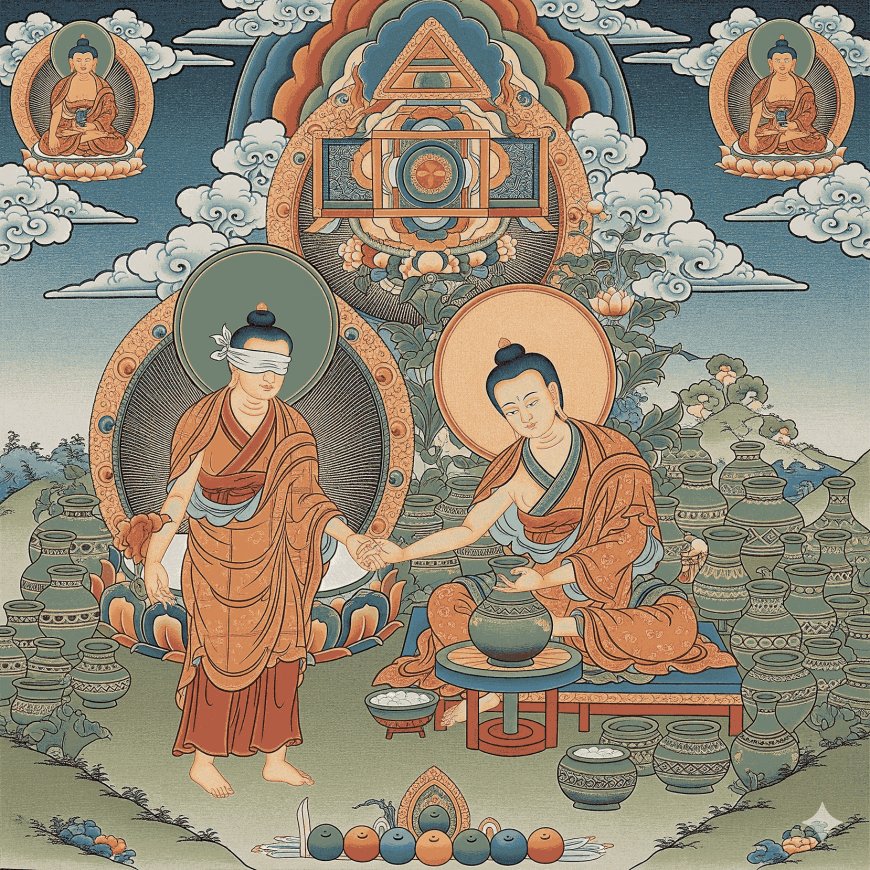
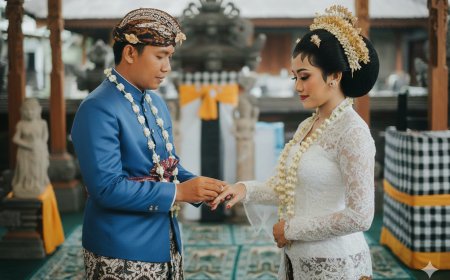
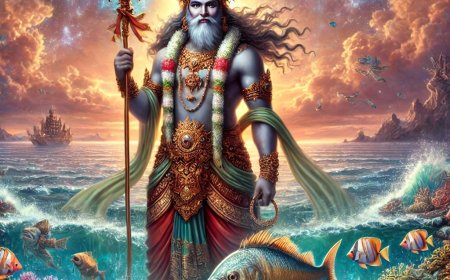
Illustration depicting Avijja and Sankhara, AI Illustration (Photo Source: Private Collection)
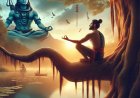
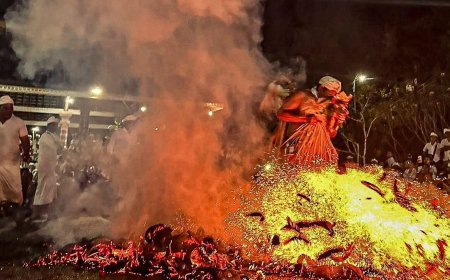
But this is where the story starts to get interesting. The feelings we experience give birth to a new character: Lust (Taṇhā). If we feel happy, we want it again. If we feel sick, we want to avoid it. From this insatiable desire arises: Attachment (Upādāna), a tight grip on what we like. This attachment then creates the Process of Being Existing (Bhava), a powerful impulse that prepares the way for the next life.
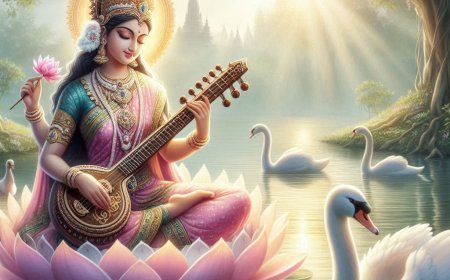
The last act, and the most dramatic, is about the future. Since we are constantly creating the process of "becoming being" through our choices and actions, a new Birth (Jāti) is inevitable. And as with every story, this chapter always ends with Old Age and Death (Jarā-maraṇa), which brings with it all the inevitable suffering. This whole groove is a spinning circle, a spinning wheel, driven by two main things: our ignorance and our desires.
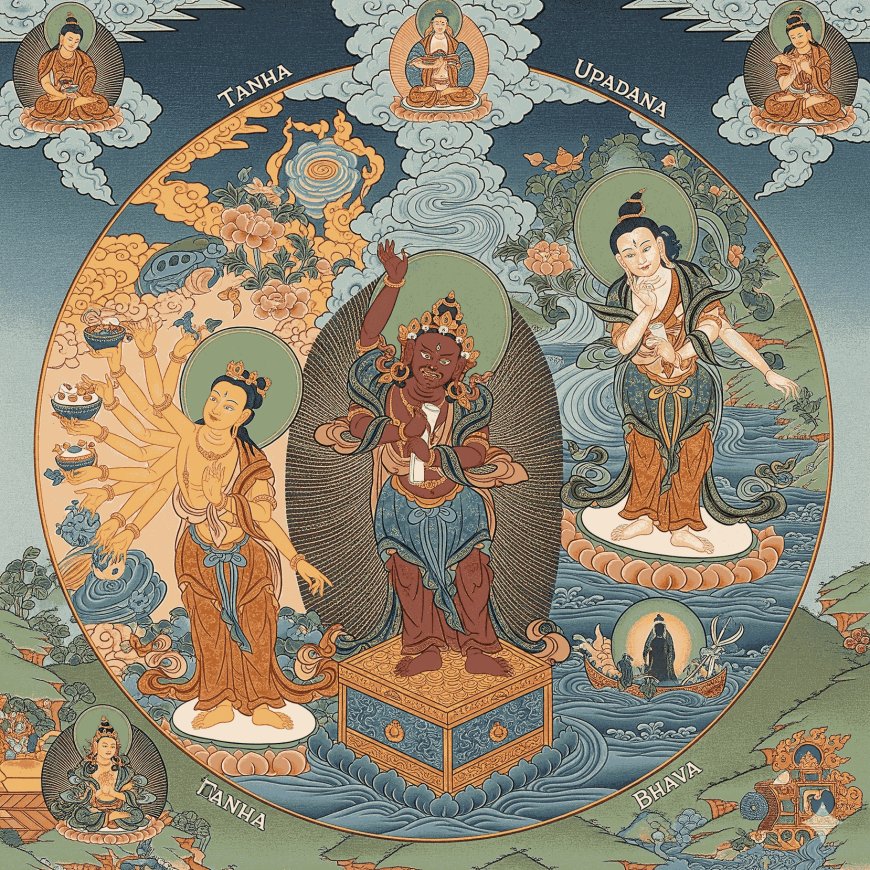
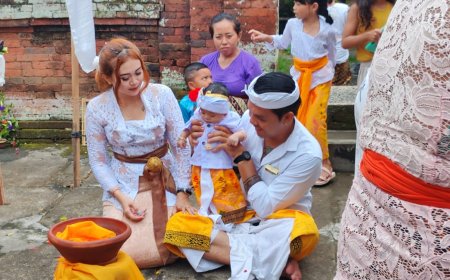
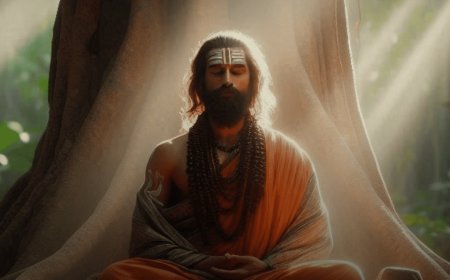
Depiction of Tanha, Upadana, and Bhava, AI Illustration (Photo Source: Private Collection)
Behind each act, there is a force at work, which is kamma. Kamma is not a predetermined destiny, but the seed of each of our actions. This seed has the potential to grow, but it will only bear fruit if the conditions are right.
The Kamma we created in the past, called Producing Kamma (Janaka kamma), determines our state at birth, whether we are born rich or poor, healthy or sick. Meanwhile, the Supporting Kamma (Upathambaka kamma) that we do in this life can support or weaken the fruiting kamma. So, we not only accept the consequences of the past, but also have an active role in shaping our current and future reality.
So, how do you stop this recurring story? The way out is to break this circle, especially by ending Ignorance and Lust. When we replace ignorance with wisdom, the Will Formation will cease. When the Will Formation stops, Consciousness ceases, and so on, until finally the whole cycle of suffering ceases. At that point, the wheel of life no longer turns. The endless journey of birth comes to an end, and we attain true freedom.
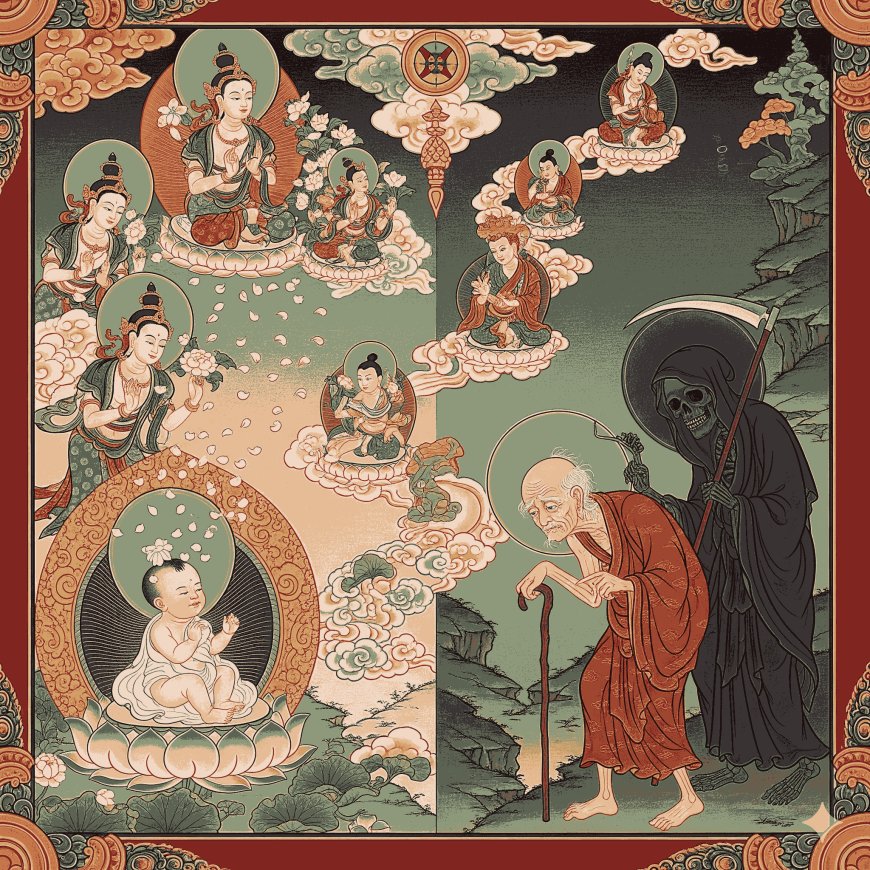
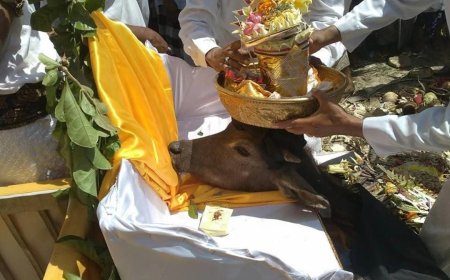
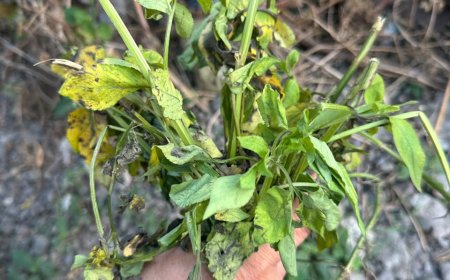
Illustration depicting Jati and Jaramarana, AI Illustration (Photo Source: Private Collection)
This is the essence of Pratiti Samutpada: a profound story of cause and effect. It is a reminder that every moment is a complex intertwine of many things, and that birth is not a starting point, but the result of a long journey. A story that teaches that we have the power to write a happy ending, not by expecting fate, but by changing ourselves.
BIBLIOGRAPHY
[1] Pratītyasamutpāda, The Doctrine of Dependent Origination in Old Uyghur Buddhism: A Study of Printed Texts
[2] Map of the meaning of the image of Pa Iccasamuppāda