








Bali Dance Sanggar Qui Art: A Center for Creativity and the Preservation of Balinese Dance in Ungasan Village
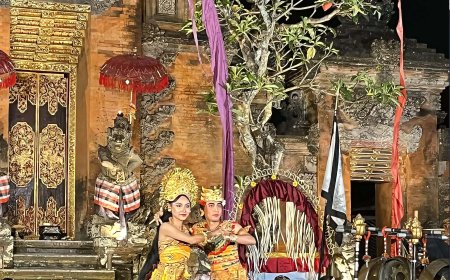
Bali Dance Sanggar Qui Art in Ungasan Village serves as both a center of creativity and a space for preserving Bali’s traditional arts. Founded by Mr. Made Ardana more than a decade ago, this sanggar hosts various artistic activities, ranging from dance, gamelan, barong performances, to other cultural shows. Although it is not competition-oriented, the sanggar consistently participates in traditional ceremonies and entertainment events, while also functioning as a meeting point for artists from different parts of Bali. Its existence is living proof that Balinese art remains alive and relevant, even as time continues to move forward.

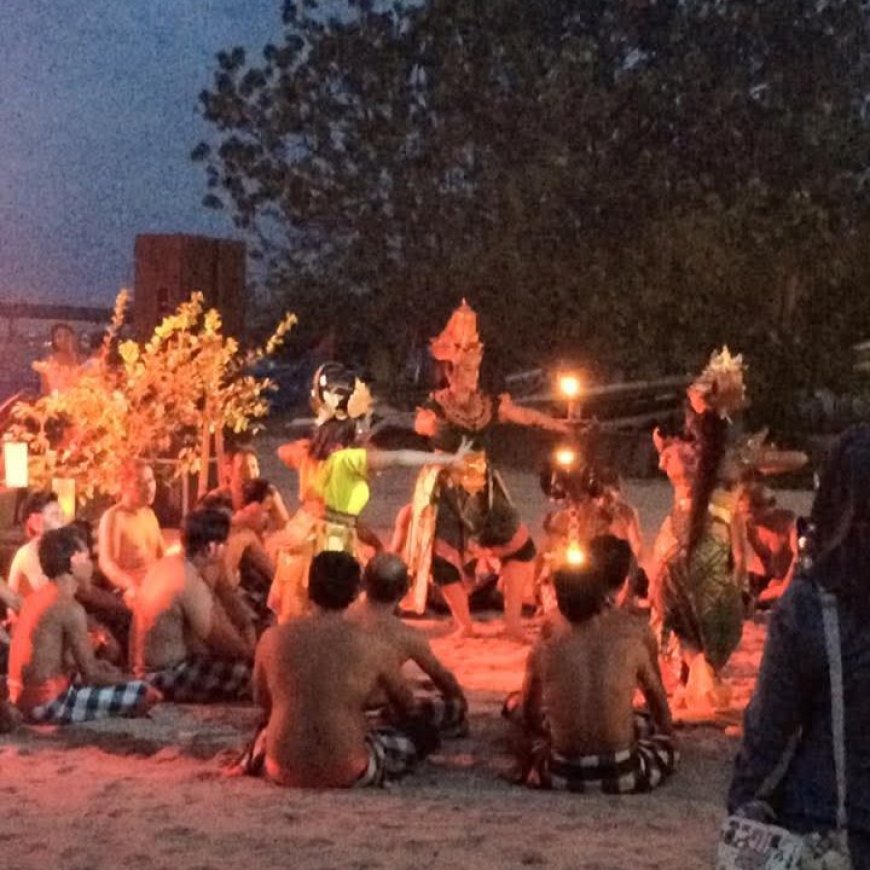
Balinese dance is a cultural heritage that serves not only as entertainment but also as a medium for spiritual, social, and communal identity. Amid the rapid currents of globalization, the presence of sanggar seni plays a key role in safeguarding cultural continuity. One such example is Bali Dance Sanggar Qui Art, located in Ungasan Village, South Kuta, Badung Regency, Bali. The sanggar functions both as a creative space and as a hub for preserving Balinese art, from dance to gamelan and barong performances.
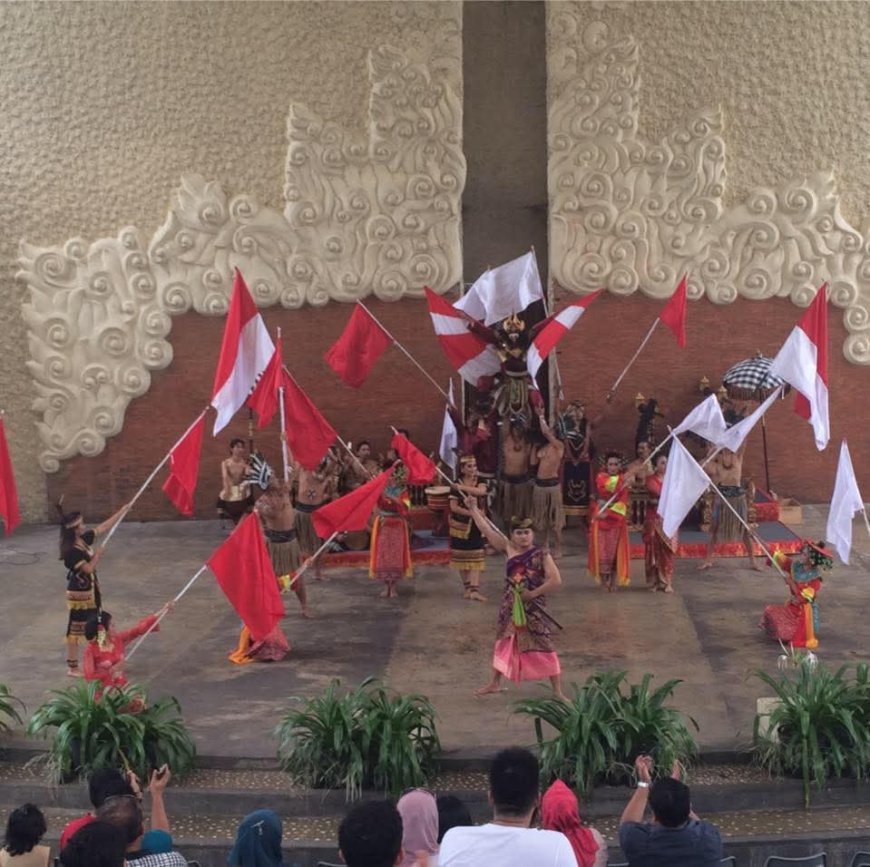
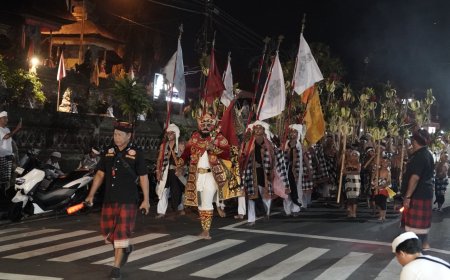
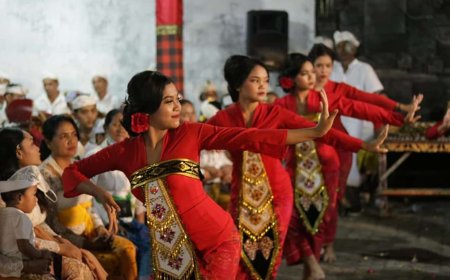
Mass Dance Performance with the Indonesian Flag (Source: Personal Collection)
Founded by Mr. Made Ardana about a decade ago, Bali Dance Sanggar Qui Art has become a home for artists and dancers from various regions in Bali, including Gianyar, Batubulan, and surrounding areas. Since its establishment before the Covid-19 pandemic, the sanggar initially held its practice sessions in the Garuda Wisnu Kencana (GWK) area. However, the pandemic forced all activities to stop temporarily. Today, even though it has been operating for more than ten years, the sanggar’s activities have not yet returned to a regular schedule, taking place only a few times throughout 2025.
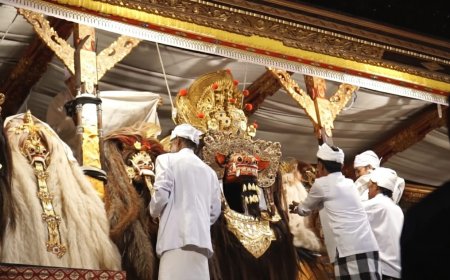
This sanggar does not limit itself to dance alone. True to its name, which reflects creativity, its activities include various branches of Balinese traditional arts, from gamelan music, barong performances, to the preparation of cultural shows for traditional ceremonies and entertainment events. However, unlike some other sanggar, Qui Art is not focused on competitions. Instead, it plays a greater role in performing at events, such as weddings, hotel shows, and other cultural gatherings. This demonstrates that Qui Art prioritizes cultural contribution and artistic service to the community over merely pursuing formal achievements.
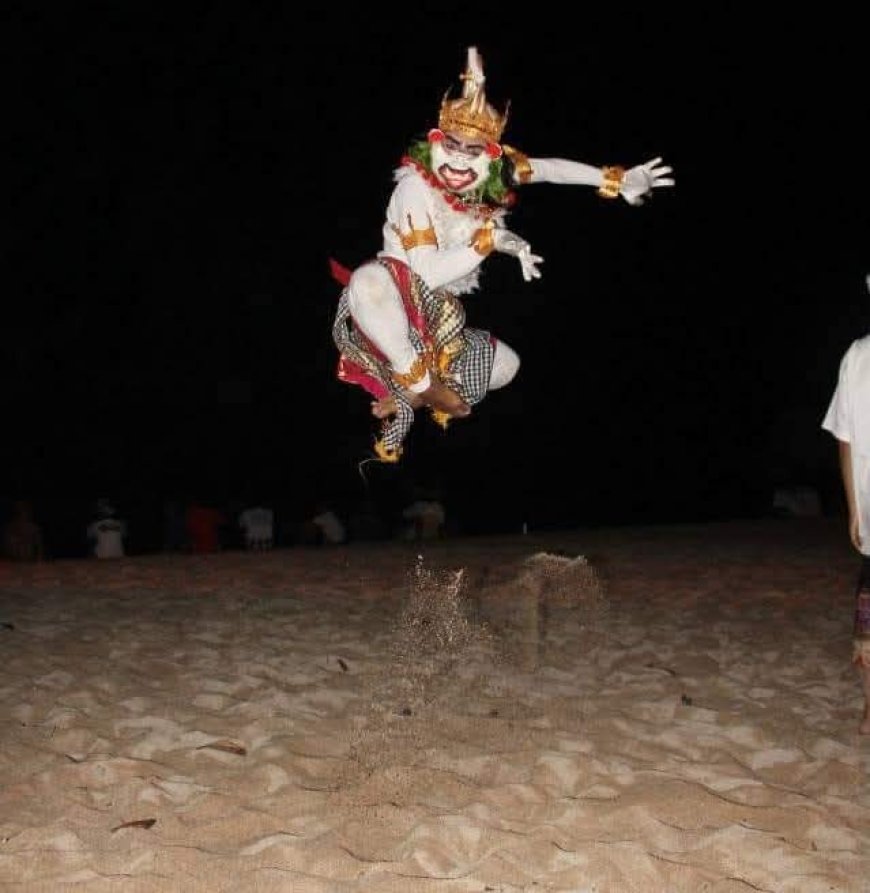
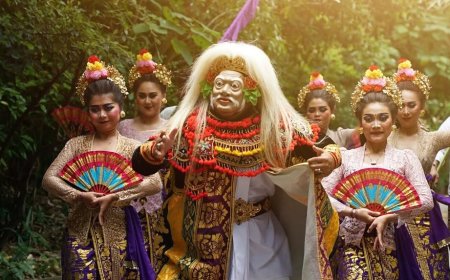
Hanoman Dance Action at the Beach (Source: Personal Collection)
Bali Dance Sanggar Qui Art is now located at Jl. Raya Uluwatu Gg. Mantili No.1 A, Ungasan, South Kuta, Badung, Bali 80361. This place has become a meeting point for artists and dancers who wish to preserve Balinese art while sharing experiences across generations. Although it does not aim for championships, the sanggar’s presence is crucial as a real platform for the community to maintain and channel their artistic talents.
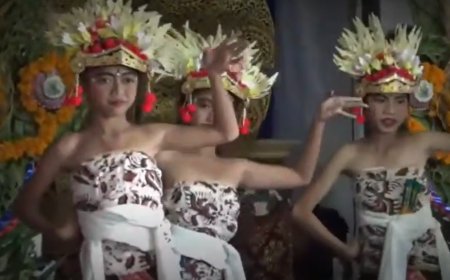
Moreover, the sanggar holds a significant social role. Its members do not only learn dance movements or gamelan rhythms but also the philosophies behind each performance. For example, the Kecak Dance carries the meaning of togetherness, Barong represents the eternal battle between good and evil, while gamelan embodies teachings of harmony and balance. In this way, Qui Art does not merely train technical skills but also instills cultural and spiritual values in the younger generation.
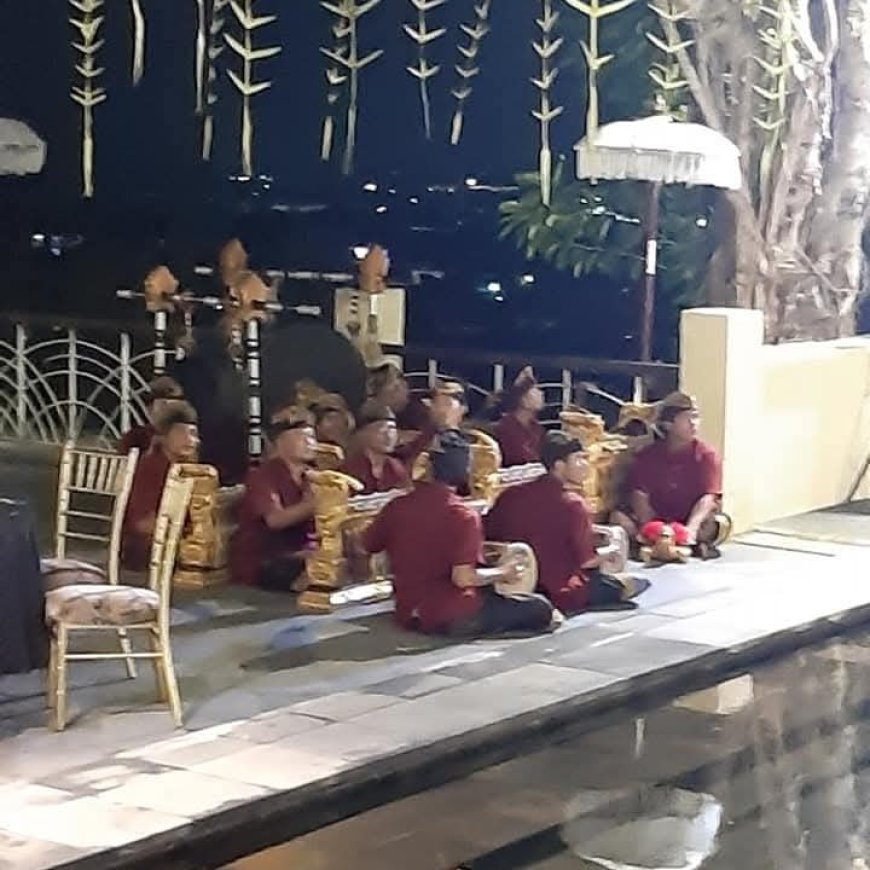
Balinese Gamelan Players on an Open Stage (Source: Personal Collection)
The existence of this sanggar answers the urgent need to preserve Balinese artistic heritage from being eroded by modern developments. The founder and owner, Mr. Made Ardana, plays a key role in maintaining the spirit of this community. He serves as the driving force that gathers artists from different regions. The long journey of this sanggar, which began before Covid-19 and continues to survive today, reflects its strong resilience despite the temporary halt in activities.
Its strategic location in Ungasan makes it easily accessible to dancers from various areas. Meanwhile, the sanggar’s activities are carried out simply through joint practice sessions, event participation, and fostering togetherness among its members despite the lack of a tight schedule. The biggest challenge faced by the sanggar is limited time and support, as the members each have their own busy lives. However, the passion to preserve Balinese culture remains the main reason they continue to persist.
Thus, Bali Dance Sanggar Qui Art is not merely a place for training but a community that keeps the heartbeat of Balinese art alive at the local level. Even though it does not boast trophies or formal accolades, the sanggar has made significant contributions in preserving the existence of Balinese dance and traditional performances amid the rapid wave of modernization.