














Jaje Leburan: Ancestral Wisdom in Transforming Lungsuran into a New Dish
Jaje leburan is a Balinese culinary tradition born from the habit of processing leftover ritual cakes and fruits (lungsuran) so they are not wasted. Through simple methods, these remnants are transformed into a new dish that is delicious and rich in meaning, especially the value of togetherness. Although it is now rarely made due to modern lifestyles, jaje leburan remains remembered as a symbol of respect for food, tradition, and ancestral heritage.

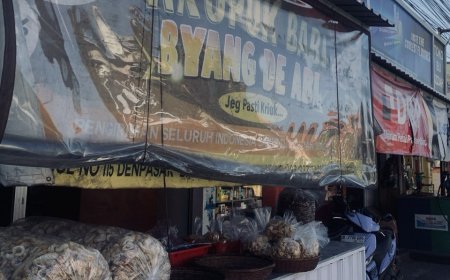
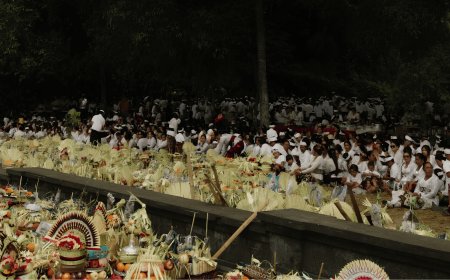
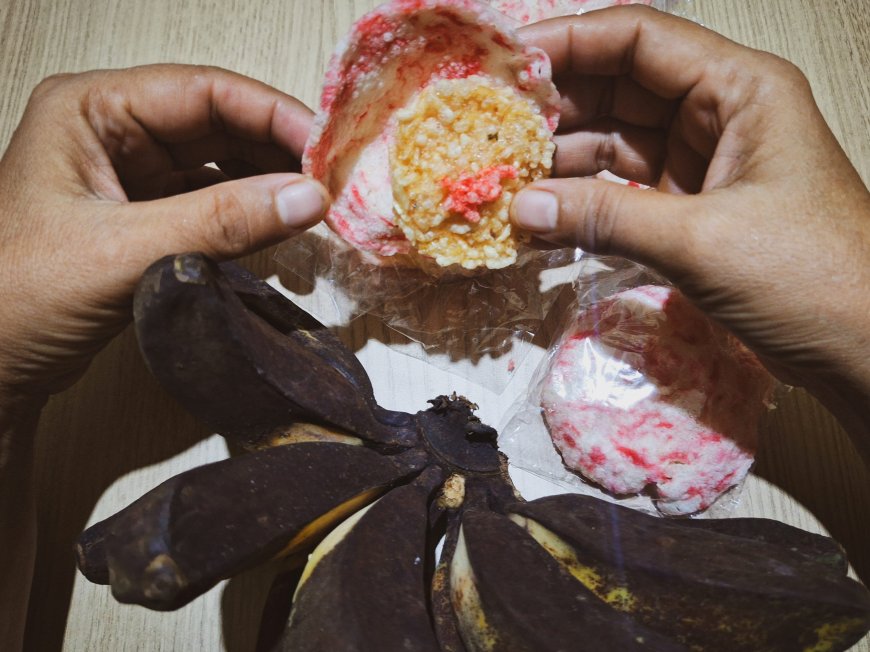
The best ingredients often do not come from modern kitchens or complicated recipes, but from ritual leftovers imbued with meaning. After an odalan at a family shrine or major religious days such as Galungan and Kuningan, Balinese families almost always face the same situation: piles of fruits and jaje lungsuran. Raja bananas, jaja uli, begina, and various other traditional cakes originally made from selected ingredients often risk being discarded because they are not consumed quickly enough.
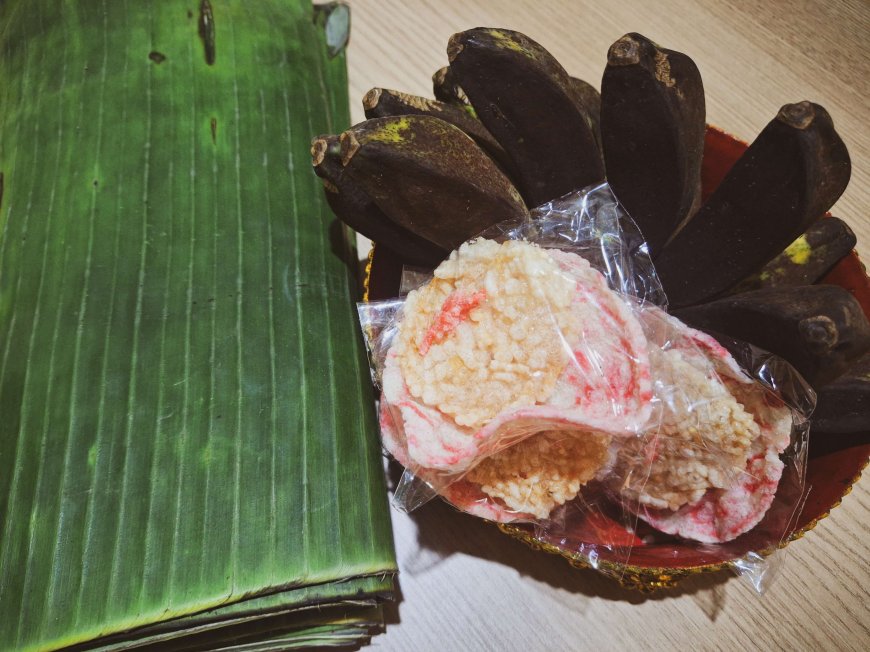
Lungsuran Ingredients for Making Jaje Leburan (Photo Source: Personal Collection)
In the past, such conditions gave rise to a culinary wisdom known as jaje leburan. This simple snack stands as proof that Balinese ancestors were not only adept in rituals, but also wise in managing ceremonial offerings so they would not go to waste. Jaje leburan is not merely food; it is an extension of life values and a way of honoring what already exists.
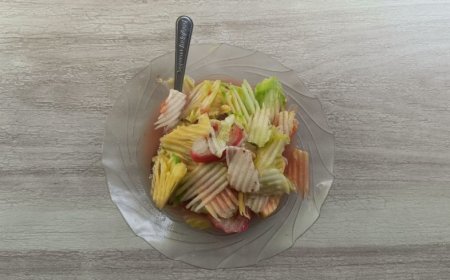
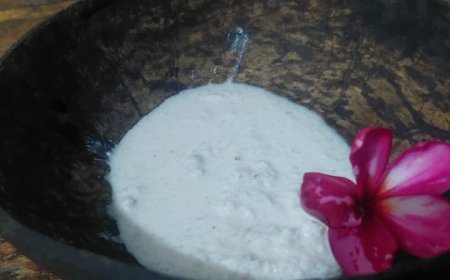
Usually, a few days after the odalan, when fatigue begins to fade and ritual equipment has been tidied away, the women in the kitchen start to “melt” the remaining cakes and fruits. Bananas are mashed, cakes are soaked in hot water to soften them, then everything is mixed with grated coconut. There are no exact measurements and no fixed recipe. Taste and experience are the only guides. If it lacks sweetness, Balinese palm sugar is added. If the mixture is too soft, a little starch comes to the rescue.
The Process of Turning Lungsuran into Jaje Leburan (Photo Source: Personal Collection)
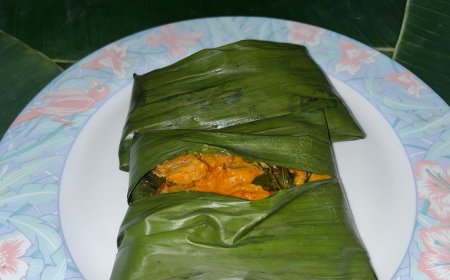
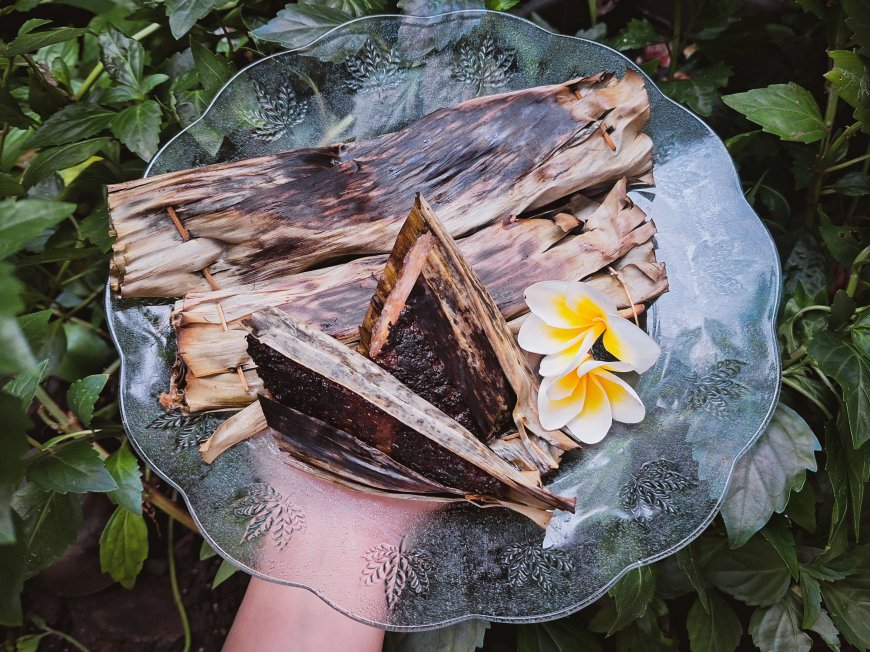
The mixture is then wrapped in banana leaves, leaves that serve not only as packaging but also as a source of distinctive aroma. After being steamed until cooked, jaje leburan is often lightly roasted or grilled to enhance its savory flavor. From a simple kitchen, the aroma of banana leaves, ripe bananas, and cakes blends together, signaling that a new dish has emerged from old leftovers. In its time, jaje leburan was family food. It appeared in the morning as breakfast before heading to the fields, accompanied bitter coffee in the afternoon, or became a shared snack at the bale while exchanging stories simple acts filled with meaning.
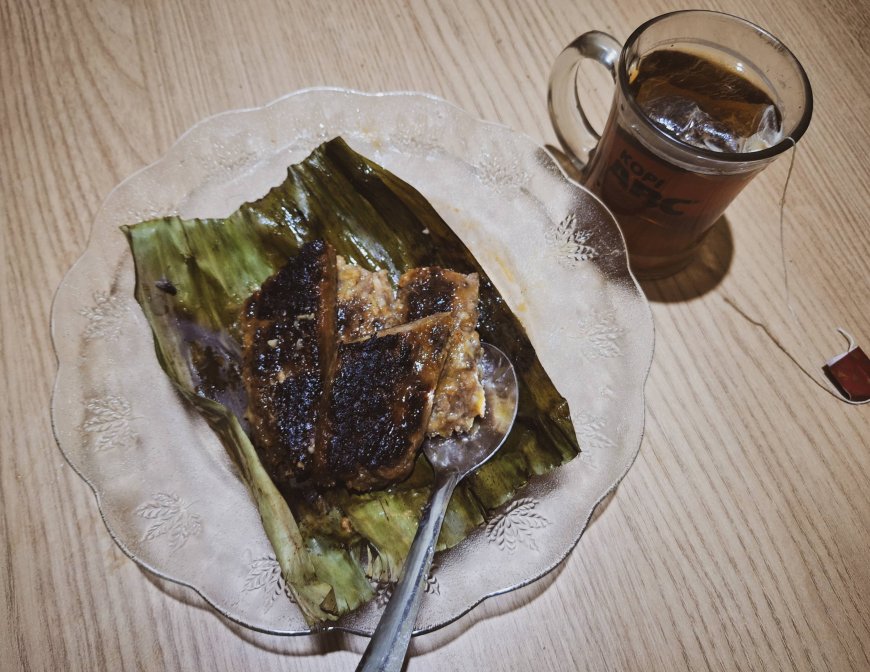
Becoming a New, Enjoyable Snack (Photo Source: Personal Collection)
Today, amid modern life, jaje leburan is indeed no longer as popular as it once was. Refrigerators, minimarkets, and instant foods have made people reluctant to bother processing jaje surudan. Yet its traces have not completely disappeared. On social media, many Balinese still proudly upload photos of jaje leburan pepes, grilled jaje leburan, or simply enjoy it as a companion to coffee. These simple expressions affirm one thing, a longing for an irreplaceable taste.
More than just a snack, jaje leburan carries a message that remains relevant today. It teaches that something considered leftover can still become a new dish, as long as it is processed with intention and respect. In the hands of grandmothers of the past, lungsuran did not end up in the trash, but was transformed into food that was both filling and rich with memories.
Jaje leburan is proof that ancestral wisdom is not always written in lontar manuscripts or conveyed through lengthy advice. Sometimes, it quietly emerges from the kitchen from casually stirred dough, neatly folded banana leaves, and the smiles of those who enjoy it together. A simple lesson about taste, togetherness, and appreciation for what nature and tradition have bestowed.